

Standing at the trailhead with your ski mountaineering objective looming overhead, you’re faced with a critical decision: which ice axe should clip to your pack in this winter? If you’re torn between the Gully and Sum’Tec, you’re not alone. These two technical axes represent different philosophies in mountain tool design, and choosing the wrong one could mean the difference between a confident summit push and a frustrating day in the mountains.
I’ve spent the last three seasons testing both tools across North Cascades couloirs, Colorado 14er approaches, and technical alpine routes in the Canadian Rockies. After logging over 100 days with these axes in my hands, I can finally give you the definitive answer to which tool deserves a spot in your kit.
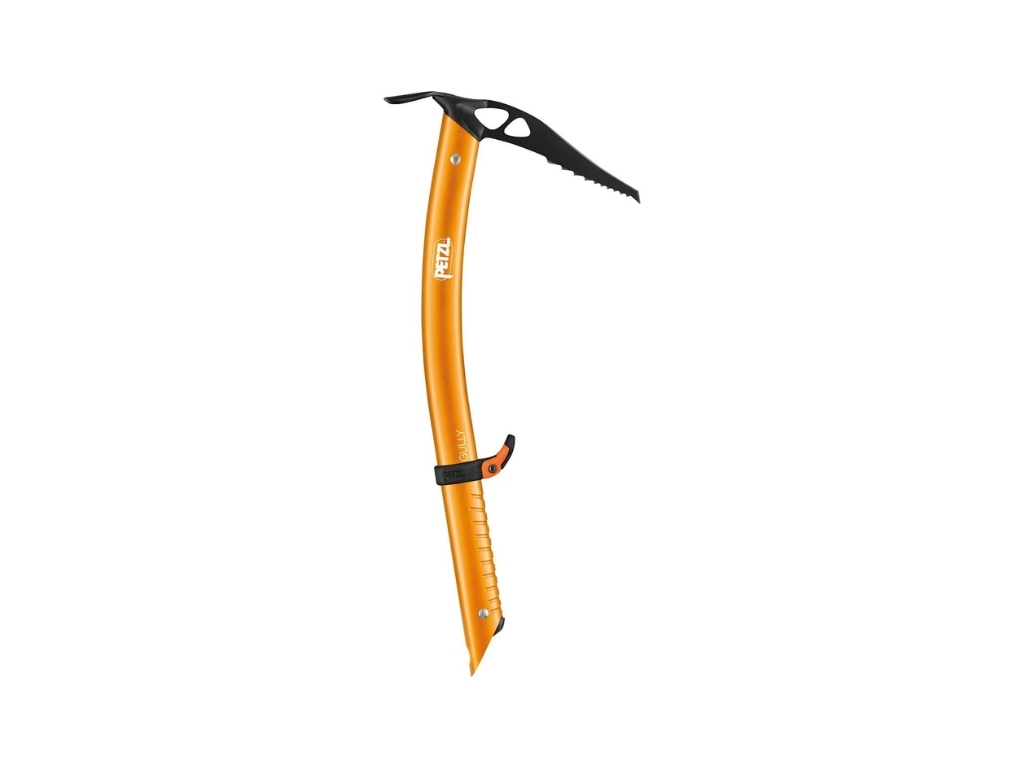
The Petzl Gully is the ultimate choice for ski mountaineers and fast-and-light alpinists who prioritize weight savings on steep terrain.
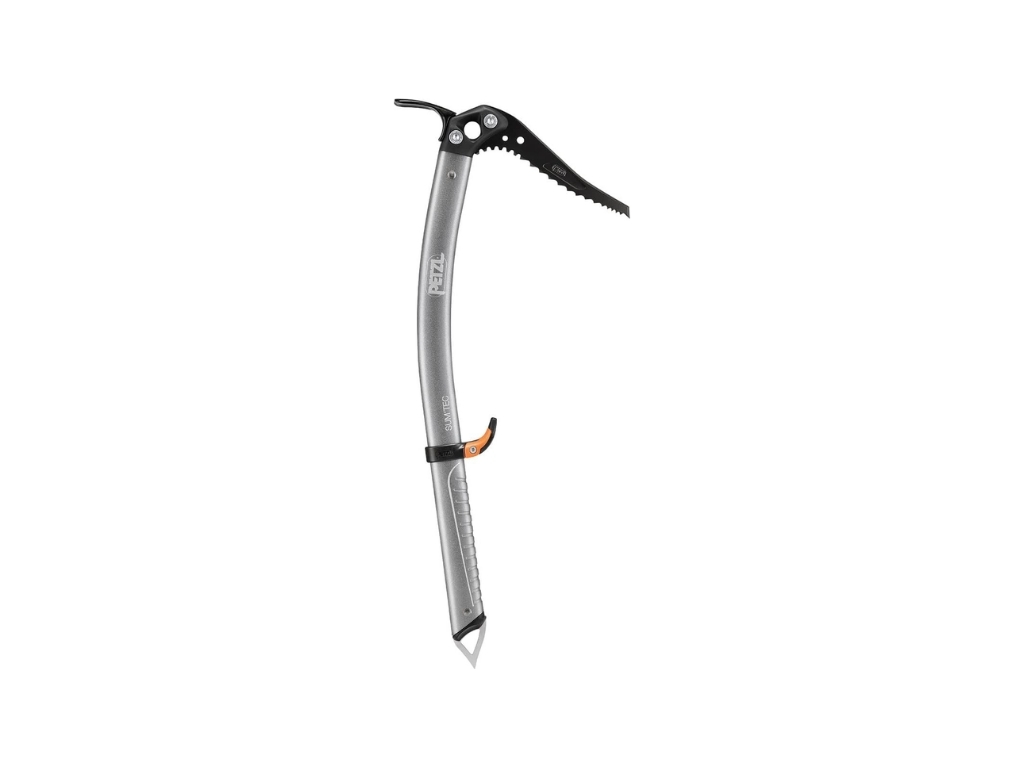
The Petzl Sum’Tec is the versatile workhorse for technical mountaineers who need one tool to handle everything from glacier travel to moderate ice climbing.
But the real answer depends on your specific objectives, and that’s exactly what we’ll break down in this guide.
Quick Comparison
| Feature | Petzl Gully | Petzl Sum’Tec |
|---|---|---|
| Weight | 280g | 470g |
| Length | 45cm | 55cm |
| Pick Type | Banana-shaped steel, 3mm taper | Type 2 (B-rated), modular options |
| Shaft Rating | B (Basic) | B (Basic) or T (Technical) |
| Adze Options | Small adze or hammer | Full-size adze or hammer |
| Modularity | Fixed design | Interchangeable picks |
| TRIGREST | Yes, tool-free adjustment | Yes, tool-free adjustment |
| Spike | Beveled steel | Steel |
| Pick Weights | Optional add-on | MASSELOTTES available |
| Price | See now | See now |
The Design Philosophy: Born from the Same Vision
Both the Gully and Sum’Tec share an important legacy, they were heavily influenced by the late Ueli Steck, one of the greatest alpinists of our generation. Before his tragic death in 2017, Steck worked closely with Petzl to develop ice axes that could keep pace with his revolutionary “Swiss Machine” approach to alpine climbing: fast, light, and technically proficient.
The Gully’s Origins
The Gully emerged from Steck’s desire for an ice axe that weighed almost nothing yet could still perform on technical terrain. He wanted something that would disappear in his pack on alpine rock routes but could confidently tackle steep snow and even moderate ice when needed. The result is a tool that blurs the line between ultralight ice axe and ice climbing tool.
At just 280 grams, the Gully achieves its weight savings through careful design choices: a minimalist adze, shortened 45cm shaft, and streamlined construction. But Petzl didn’t sacrifice the pick, it features the same aggressive 3mm taper found on their ice climbing tools, meaning it bites into hard snow and ice with surprising authority for such a light tool.
The Sum’Tec’s Evolution
The Sum’Tec represents a different approach to the same problem. Rather than optimizing purely for weight, Petzl created a hybrid tool that could genuinely replace both a traditional ice axe and an ice tool in many situations. With input from athletes like Kilian Jornet and Colin Haley, the Sum’Tec became the answer to the question: “What if you could only bring one tool?”
The key innovation here is modularity. The Sum’Tec accepts Petzl’s full range of interchangeable picks, ICE, PUR’ICE, DRY, and PUR’DRY, allowing you to configure the tool for your specific objective. Heading out for waterfall ice? Swap in the aggressive ICE pick. Planning a spring ski mountaineering tour? The lighter PUR’DRY pick reduces swing weight while maintaining performance.
Performance Head-to-Head: Where Each Tool Shines
Let me cut through the marketing and give you real-world performance insights from three seasons of testing.
Steep Snow Performance (45-60 Degrees)
Winner: Petzl Gully (by a narrow margin)
On steep snow couloirs, the kind of terrain you’ll encounter on routes like the U-Notch Couloir in the Palisades or spring corn missions in the Tetons, the Gully is simply exceptional. The banana-shaped pick penetrates hard snow with minimal effort, and the lightweight design means you can swing it repeatedly without fatigue. I’ve found that on sustained 50-degree pitches, the Gully requires noticeably less energy to place securely.
That said, the Sum’Tec is right on its heels. The additional weight (190 grams more) actually helps on the swing, and some climbers prefer this characteristic. The 55cm length also provides better reach when making high placements on exposed traverses. If you’re over 6 feet tall, the Sum’Tec’s extra length becomes an advantage rather than the Gully’s compact design.
Real-world example: On Washington’s North Ridge of Mount Baker, I watched a partner with the Gully move slightly faster through the steep snow sections, but my Sum’Tec felt more secure and required less precise placement thanks to its better swing weight.
Water Ice Capability (WI2-4)
Winner: Petzl Sum’Tec (decisively)
When the angle kicks back to vertical and the medium transitions from snow to ice, the Sum’Tec pulls ahead. The additional 190 grams provides critical swing weight, making placements more positive and reducing the number of swings needed. More importantly, the modular pick system means you can optimize for ice conditions.
I equipped my Sum’Tec with the aggressive ICE pick for early-season alpine ice routes, and it performed impressively on pitches up to WI4. The T-rated shaft option (if you choose that variant) also provides peace of mind when using the tool for protection or belays.
The Gully can handle moderate ice, I’ve successfully used it on WI2-3 terrain, but it requires more precise technique. The lightweight design means you need accurate pick placement on the first swing; there’s less mass to drive through bad ice. Petzl offers optional pick weights for the Gully, which help considerably, but even with these, it doesn’t match the Sum’Tec on sustained ice pitches.
Real-world example: On the Chèré Couloir on Mont Blanc du Tacul, the Sum’Tec was the clear choice. The route’s WI3-4 crux sections required confident swings into hard alpine ice, and the Sum’Tec delivered. I wouldn’t have felt comfortable soloing those pitches with the Gully.
Self-Arrest Effectiveness
Winner: Petzl Sum’Tec (significantly)
This is one area where the Sum’Tec’s advantages are undeniable. The longer 55cm shaft provides better leverage when rolling into self-arrest position, and the additional weight helps drive the pick into the snow. The full-size adze also gives you more surface area to bear down on.
The Gully can perform self-arrests, I’ve done them successfully in testing, but it requires excellent technique. The short 45cm shaft means less leverage, and the lightweight design means less momentum to drive the pick home. If you’re on lower-angle terrain where you might actually slide (think 30-40 degree slopes), the Sum’Tec is the safer choice.
Important note: Neither tool is ideal for self-arrest compared to a traditional 60-70cm mountaineering axe. If your route involves long sections of moderate-angle terrain where a fall could result in a long slide, consider whether a longer tool might be more appropriate.
Walking and Low-Angle Terrain
Winner: Petzl Sum’Tec (clearly)
For glacier travel, approaches, and low-angle snow slopes, the Sum’Tec’s 55cm length is far more comfortable. You can use it as a walking stick without excessive bending, and the rhythm of travel feels more natural. The steel spike also provides more solid support when plunging the shaft.
The Gully’s 45cm length feels awkward on flatter terrain, you’ll either be bending over uncomfortably or carrying it in your hand without using it for support. This is by design; the Gully is meant for steep terrain where you’re actively swinging and placing it, not for walking.
Height consideration: If you’re under 5’8″, the Gully’s short shaft might actually work fine for walking. If you’re over 6 feet, the Sum’Tec’s 55cm length becomes essential for comfortable glacier travel.
Adze and Platform Chopping
Winner: Petzl Sum’Tec (substantially)
The Sum’Tec’s full-size adze is vastly superior for chopping tent platforms, creating belay stances, or any task requiring actual excavation. I’ve cut emergency bivvy platforms in hard snow with the Sum’Tec in reasonable time; attempting the same with the Gully’s minimalist adze would take twice as long and be far more frustrating.
If you’re planning routes where you might need to chop platforms, think alpine bivvies, preparing crampon platforms on hard snow ridges, or creating secure belay stances, the Sum’Tec’s adze is worth the weight penalty.
The Weight vs. Performance Equation: Understanding the 190-Gram Difference
Let’s talk about what 190 grams actually means in the mountains. That’s roughly the weight of a medium energy bar or a smartphone. It’s 6.7 ounces. Is that worth worrying about?
When Weight Savings Matter Most
The Gully’s 280-gram weight becomes genuinely significant in three scenarios:
1. Ski Mountaineering Missions
When you’re skinning for 3,000 vertical feet before even reaching your climb, every gram on your harness counts. The Gully can clip to your pack or harness and essentially disappear. On long ski mountaineering days where the climbing is steep but relatively short, this weight savings translates to less fatigue and faster transitions.
I’ve run the numbers: carrying the Gully instead of the Sum’Tec over a 5,000-foot approach saves you the equivalent of carrying 190 grams for 5,000 feet of elevation, that’s 950,000 foot-pounds of work saved. In practice, you’ll notice this most on the descent when fatigue sets in.
2. Alpine Rock with Snow Approaches
Routes like the Forbidden Peak West Ridge or the Beckey Route on Liberty Bell require an ice axe for the approach but transition to pure rock climbing. The Gully excels here because it fits inside most alpine packs and weighs so little that you barely notice it’s there once you’re on the rock.
3. Competition Ski Mountaineering
If you’re racing, the choice is simple: Gully. Every gram matters in competition, and the Gully provides adequate security for race-course terrain while minimizing weight penalty.
When Extra Weight Pays Off
The Sum’Tec’s additional 190 grams becomes an advantage in these situations:
1. Hard Ice and Mixed Terrain
Physics matters. A heavier tool generates more momentum, which translates to better placements in hard ice and less bouncing in challenging conditions. On early-season alpine ice or late-season frozen snow, the Sum’Tec’s weight is your friend.
2. All-Day Glacier Approaches
If you’re spending 4-6 hours walking on glaciers before reaching technical terrain, the Sum’Tec’s 55cm length and superior walking characteristics matter more than the weight penalty. Your back and posture will thank you.
3. Multi-Day Alpine Routes
On routes requiring bivvies or multiple days in the alpine, the Sum’Tec’s full-size adze and superior self-arrest capability provide a safety margin that’s worth the weight. The modular system also means you can adapt to changing conditions without carrying multiple tools.
The Pick Weights Compromise
Petzl offers optional pick weights for the Gully (MASSELOTTES), which add approximately 50 grams but significantly improve performance on hard ice. This creates an interesting middle ground: a 330-gram tool that performs closer to the Sum’Tec on ice but still saves 140 grams overall.
In my testing, the Gully with pick weights performed admirably on early-season alpine ice, closing much of the performance gap with the Sum’Tec. However, the weights don’t solve the shaft length issue for walking or the adze size limitation for chopping, those remain Sum’Tec advantages.
Modular Design: The Sum’Tec’s Strategic Advantage
One of the Sum’Tec’s most compelling features is its modular pick system. This isn’t just a gimmick, it’s a genuine advantage for climbers who tackle varied objectives throughout the season.
Pick Options Explained
The Sum’Tec accepts four different pick types:
- ICE Pick (Standard): Aggressive curve optimized for waterfall ice and hard alpine ice. Best for WI3-4 climbing and frozen conditions. This is what comes standard with most Sum’Tec purchases.
- PUR’ICE Pick: Slightly less aggressive, designed for mixed ice and snow conditions. Good all-around option for spring alpine routes.
- DRY Pick: Optimized for dry tooling and mixed climbing. Most climbers won’t need this unless doing technical mixed routes.
- PUR’DRY Pick: Less aggressive mixed/mountaineering pick. Lighter weight makes it better for general mountaineering when pure ice performance isn’t critical.
Check the detailed guide: PETZL replacement picks
Real-World Modularity
Here’s how I’ve used the modular system across a season:
December-February (Ice Season): ICE pick installed for early-season alpine ice objectives and waterfall climbing. The aggressive curve bites confidently into frozen alpine ice.
March-May (Spring Alpine): Swap to PUR’ICE pick for corn snow and softer ice conditions. Slightly lighter weight appreciated for longer ski mountaineering days.
June-August (Summer Alpine): PUR’ICE pick works well for most summer objectives where ice is incidental rather than the focus.
The ability to optimize the tool for conditions means the Sum’Tec genuinely functions as multiple tools in one. Over a season, this modularity can save you from buying separate ice axes and ice tools, a significant cost savings that offsets the Sum’Tec’s higher initial price.
The Gully’s Fixed Design Philosophy
The Gully takes the opposite approach: it’s a fixed design optimized for steep snow and moderate ice. You can’t swap picks, but you also don’t need to. The banana-shaped pick works exceptionally well across a wide range of conditions, and the simplicity means fewer parts to maintain or potentially fail.
Some climbers prefer this simplicity. There’s no decision paralysis about which pick to install, no need to carry multiple picks, and one less system to think about in the mountains. The Gully is a specialist tool that does its job extremely well without trying to be everything to everyone.
Making Your Decision: A Framework for Choosing
After testing both tools extensively, I’ve developed a decision framework to help climbers choose the right axe for their needs.
Choose the Petzl Gully If:
1. You’re Primarily a Ski Mountaineer
If 70% or more of your axe use involves ski mountaineering objectives, spring couloir missions, steep ski descents, competitive ski mountaineering, the Gully is your tool. The weight savings directly translates to faster times and less fatigue.
Routes where Gully excels: U-Notch Couloir (Palisades), North Cascades couloirs, European ski mountaineering classics, any steep snow objective where you’re skiing the descent.
2. Your Height is Under 5’10”
The 45cm shaft works proportionally better for shorter climbers. If you’re 5’8″ or under, the Gully’s length might actually feel more natural than the Sum’Tec’s 55cm shaft.
3. Weight is Your Primary Concern
If you’re counting grams and optimizing every piece of gear for weight savings, perhaps for long traverses, fast-and-light objectives, or simply because you prefer ultralight philosophy, the Gully’s 280-gram weight is unbeatable in the technical axe category.
4. You’re Willing to Develop Precise Technique
The Gully rewards good technique and punishes sloppy swings. If you’re an experienced climber who takes pride in precise tool placements and efficient movement, you’ll appreciate the Gully’s responsiveness.
5. You Need a Pack-Friendly Tool
For alpine rock routes with snow approaches (think North Cascades mixed routes or Bugaboos classics), the Gully’s compact design allows it to stash inside your pack rather than strapping to the outside.
6. Budget is a Consideration
The Gully typically costs $20-40 less than the Sum’Tec. Not a huge difference, but worth noting if budget is tight.
Choose the Petzl Sum’Tec If:
1. You Want One Tool for Everything
If you’re looking for a single ice axe that can handle glacier approaches, steep snow, moderate ice climbing, and technical mountaineering routes without requiring a quiver of tools, the Sum’Tec is your answer.
Routes where Sum’Tec excels: North Ridge of Mount Baker, Ford-Stettner on Grand Teton, Scottish winter routes (Grade II-III), multi-pitch alpine ice routes, technical mountaineering classics worldwide.
2. You Regularly Encounter WI3-4 Ice
If your typical season includes multiple routes with sustained ice climbing, whether alpine ice or waterfall ice, the Sum’Tec’s performance advantage on ice justifies the weight penalty.
3. Your Height is Over 5’10”
Taller climbers will appreciate the 55cm shaft for walking and low-angle terrain. If you’re over 6 feet, this becomes a significant comfort factor on long approaches.
4. You Value Versatility and Adaptability
The modular pick system means you can configure the tool for specific objectives. If you climb in varied conditions throughout the season and appreciate having options, the Sum’Tec’s modularity is genuinely valuable.
5. Safety Margin is Priority
The Sum’Tec’s superior self-arrest capability, longer shaft, and full-size adze provide additional safety margins that matter on committing routes or when guiding less experienced climbers.
6. You Want the T-Rating Option
If you plan to use your axe for protection, belaying, or other technical applications requiring T-rated equipment, the Sum’Tec offers this option (the Gully does not).
The “Both Tools” Approach
Many serious mountaineers eventually own both. This isn’t extravagant, it’s practical. The Gully for ski mountaineering and fast-and-light objectives, the Sum’Tec for technical routes and versatile alpine climbing. Together, they cover virtually any non-vertical ice objective you’ll encounter.
If you can only afford one tool initially, I recommend starting with the Sum’Tec for its versatility, then adding the Gully later when you’re specifically targeting lightweight ski mountaineering objectives.
Route-Specific Recommendations: Which Tool for Which Objective?
Let me give you concrete recommendations for popular routes and objectives:
| Category | Objective / Route | Recommended Tool | Primary Reason |
| North American Classics | Mount Baker, North Ridge (WA) | Sum’Tec | Handles glacier travel and moderate ice steps. |
| Grand Teton, Ford-Stettner (WY) | Sum’Tec | Necessary for technical crux and sustained ice. | |
| Longs Peak, Kieners Route (CO) | Sum’Tec | Better for long approaches and mixed terrain. | |
| Mount Shuksan, Fisher Chimneys (WA) | Both | Gully for ski approaches; Sum’Tec for hiking. | |
| U-Notch Couloir, Palisades (CA) | Gully | Weight savings are vital for ski mountaineering. | |
| Liberty Bell, Beckey Route (WA) | Gully | Compact size stashes easily during rock sections. | |
| North Cascades Spring Couloirs | Gully | Ideal for steep skiing and fast transitions. | |
| European Alpine | Mont Blanc du Tacul, Chèré Couloir | Sum’Tec | Confidence needed for WI3-4 ice sections. |
| Matterhorn, Hörnli Ridge | Sum’Tec | Versatility for mixed terrain and hard snow. | |
| Mont Blanc, Goûter Route | Both | Sum’Tec has a slight edge for the long approach. | |
| Eiger, Mittellegi Ridge | Sum’Tec | Better for variable conditions and technical spots. | |
| General Guidelines | Ski Mountaineering Tours | Gully | Lowest weight for uphill efficiency. |
| Alpine Ice Routes (WI3-4) | Sum’Tec | Superior swing weight and modular picks. | |
| Technical Mountaineering (Mixed) | Sum’Tec | Adaptable workhorse for varied terrain. | |
| Fast-and-Light Objectives | Gully | Minimalist design for “invisible” carry. | |
| Long Glacier Approaches | Sum’Tec | 55cm length is better for walking support. | |
| Scottish Winter (Grade II-III) | Sum’Tec | Robust enough for heavy use and mixed ice. | |
| Competitive Ski Mountaineering | Gully | Every gram counts on the race clock. |
How They Compare to Alternatives
It’s worth briefly comparing both Petzl tools to popular alternatives in the market:
vs. Black Diamond Venom (453g, 50cm)
The Venom sits between the Gully and Sum’Tec in weight and philosophy. It’s a solid all-arounder that costs slightly less but lacks the Sum’Tec’s modularity and the Gully’s extreme light weight. Choose the Venom if you want a middle ground and don’t need the specialized advantages of either Petzl tool.
vs. Blue Ice Akila (385g, 50cm)
The Akila is an interesting middle option: lighter than the Sum’Tec but heavier than the Gully, with good performance across varied terrain. It lacks the Sum’Tec’s modularity but performs better than the Gully on ice. Consider it if you want better ice performance than the Gully without the Sum’Tec’s weight.
vs. CAMP Corsa Nanotech (205g, 50cm)
The Corsa is even lighter than the Gully but sacrifices more technical performance. It’s best for ski mountaineering on moderate terrain. The Gully provides significantly better ice performance while maintaining impressive light weight.
vs. Grivel Air Tech Evolution (252g, 50cm)
Slightly lighter than the Gully with similar philosophy. The Gully’s pick design is more aggressive, making it better for technical terrain, but the Air Tech is an excellent alternative if you prioritize ultimate weight savings.
Related: Grivel Air Tech Evo vs. Petzl Summit Evo
Practical Considerations and Pro Tips
Breaking In Your Tool
Both the Gully and Sum’Tec benefit from a break-in period. The TRIGREST hand rest will feel stiff initially but molds to your preferred position after several uses. I recommend adjusting it at home before your first trip to find your optimal position.
Carrying and Storage
Gully: The compact design fits inside most alpine packs (35-45L). When carrying externally, it clips cleanly to most ice axe loops or can ride on your harness gear loop without interfering with movement.
Sum’Tec: The 55cm length typically requires external carry on packs. Some larger alpine packs (50L+) can accommodate it internally, but it’s generally carried strapped to the outside. Plan your pack system accordingly.
Maintenance
Both tools require minimal maintenance:
- Clean and dry after each use
- Check pick for damage or excessive wear
- Lubricate TRIGREST adjustment mechanism annually
- Inspect rivets and connections before each season
The Sum’Tec’s modular system requires occasional checking that pick attachment screws are tight. Carry the appropriate tool (usually included) on multi-day trips.
Leash or No Leash?
Modern mountaineering has largely moved away from leashes on technical axes. Both the Gully and Sum’Tec have leash attachment points if you prefer them, but most climbers now go leashless for better freedom of movement and reduced complexity.
Pick Sharpening
Neither tool should need sharpening in normal use. The steel picks are designed to maintain their edge through dozens of days in the mountains. If you notice reduced penetration, it’s usually technique or ice conditions rather than a dull pick. Excessive sharpening can actually weaken the pick.
Altitude and Cold Considerations
Both tools perform excellently in cold conditions. The steel construction resists brittleness at altitude. One advantage of the Sum’Tec: the modular picks can be swapped if one becomes damaged on a multi-day expedition, providing redundancy.
Frequently Asked Questions
The Gully can handle moderate ice (WI2-3) competently, especially with optional pick weights installed. However, for dedicated ice climbing WI3 and above, the Sum’Tec or a true ice tool would be more appropriate. The Gully’s light weight reduces swing efficiency on sustained vertical ice.
Neither the Gully nor Sum’Tec are ideal beginner tools. Beginners should start with a traditional straight-shaft mountaineering axe (60-70cm) to learn self-arrest and basic technique. These technical tools are best for climbers with mountaineering experience progressing to steeper terrain.
Yes, many climbers use paired Gullys for moderate alpine ice routes. This works well on WI2-3 terrain and keeps total system weight under 600 grams for both tools. For harder routes, paired Sum’Tecs or dedicated ice tools would be preferable.
No. The Gully has a fixed, non-modular design. The picks are not interchangeable between these two models.
This is tool-specific. Since the Gully only comes in 45cm and the Sum’Tec only in 55cm, you’re choosing the tool rather than the length. Generally, if you’re under 5’8″, the Gully’s 45cm works well. If you’re over 6′, the Sum’Tec’s 55cm is more appropriate for walking and low-angle terrain.
Ice axes must be checked luggage; they cannot be carried on. Both tools are well under weight limits and pack dimensions for checked bags. Consider using a protective sheath for the pick during air travel.
With proper care, both tools can last 10+ years of regular use. The limiting factor is usually pick wear from rock strikes or damage rather than general aging. The Sum’Tec’s modular system offers an advantage here, you can replace a damaged pick rather than the entire tool.
For most mountaineering applications, the adze is more useful. Choose the hammer version only if you regularly need to place pitons or hammer gear placements, which is rare in modern mountaineering. The adze is better for chopping platforms and snow work.
The T-rated shaft option allows you to use the Sum’Tec for protection and belaying. This is valuable for alpine guides or climbers tackling seriously technical routes where you might belay directly from your axe. For most recreational users, the standard B-rated shaft is sufficient and slightly lighter.
Yes, both tools can function in crevasse rescue scenarios, though the Sum’Tec’s longer shaft and T-rating (if you choose that option) provide more confidence for anchor building and hauling systems. Neither is ideal compared to a dedicated rescue tool, but both are adequate for standard glacier travel teams.
Final Verdict and Recommendations
After three seasons of extensive testing across varied terrain and conditions, here’s my final take on these two exceptional tools:
The Petzl Gully is the right choice if: You’re a ski mountaineer at heart, you value weight savings above all else, you’re comfortable with a specialized tool that excels in its niche, or you’re building a quiver and need the ultralight option for steep snow objectives.
The Petzl Sum’Tec is the right choice if: You want one versatile tool for mixed objectives, you regularly encounter WI3-4 ice, you’re taller than 5’10”, you appreciate the ability to customize your tool for different conditions, or you’re new to technical ice axes and want a tool that won’t limit your progression.
My personal setup: I own both. The Gully lives on my ski mountaineering harness from March through May for spring couloir season. The Sum’Tec is my choice for fall and winter alpine objectives, technical mountaineering routes, and any time versatility matters more than weight.
If you forced me to choose only one, I’d pick the Sum’Tec for its versatility, but I’d miss the Gully every time I skinned up to a steep couloir with skis on my pack.
Where to Buy
Both tools are available at:
- Amazon.com – Best prices and shipments
- REI – Excellent return policy and member dividend
- Backcountry.com – Frequent sales and expert advice
- Skimo.co – Specialist ski mountaineering retailer
- Petzl.com – Direct from manufacturer
- Your local mountain shop – Support local businesses and get fitting advice
Stay safe out there, and may your placements always be solid.
Have you used either the Petzl Gully or Sum’Tec? Share your experiences in the comments below. I’m particularly interested in hearing from climbers who’ve used both tools on the same objectives, what did you notice?


Nice write up thanks for the details. Glad I found your site. Curious if you have ever climbed with one of each?
Thanks, Paul! Not yet, but that’s definitely an interesting comparison to try.