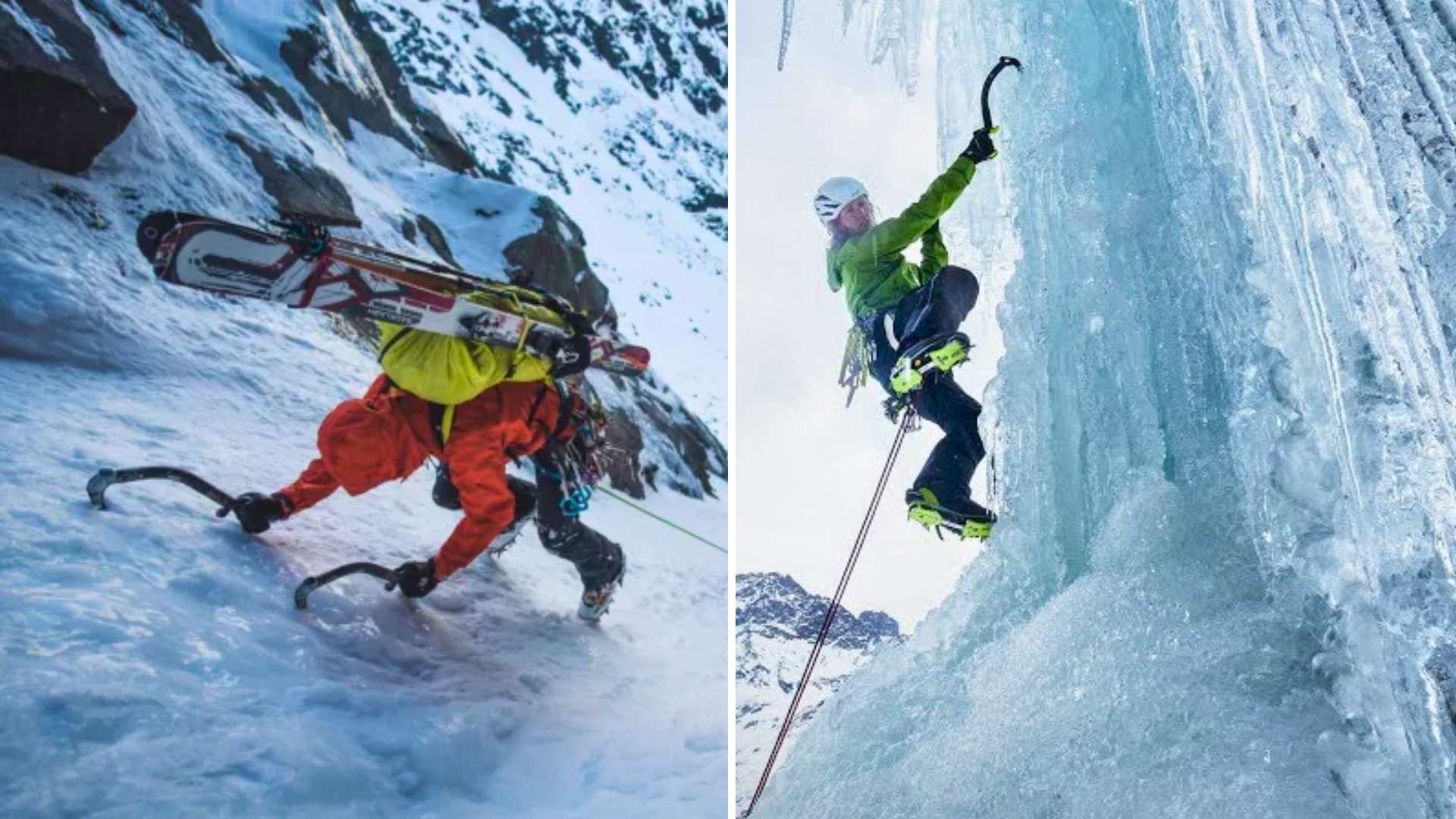
When you’re climbing thousands of vertical feet on skis, every ounce counts. Unlike traditional ice climbing where your axe is in constant use, ski mountaineering demands a different approach: you carry your ice axe in your pack for 90% of the ascent and only deploy it for brief steep sections or emergency self-arrest situations. This fundamental difference makes ultralight ice axes the ideal choice for ski mountaineers.
A typical ski mountaineering ascent might involve 3,000 vertical feet of climbing, with only 200-300 feet actually requiring an ice axe. Choosing an ultralight model instead of a standard ice axe can save 4-6 ounces per climb, which translates to nearly 1 pound saved over a 4,000-foot ski tour. Over the course of a season, that’s equivalent to dozens of extra climbs without the accumulated fatigue.
Beyond just weight, ski mountaineers need ice axes that fit compactly into ski packs and won’t interfere with skiing. Shorter shaft lengths (45-50cm) are preferred, and the overall design should prioritize packability over the durability requirements of dedicated ice climbing.
Best Lightest Ice Axes Reviews
1. CAMP Corsa Race: The Ultralight Champion
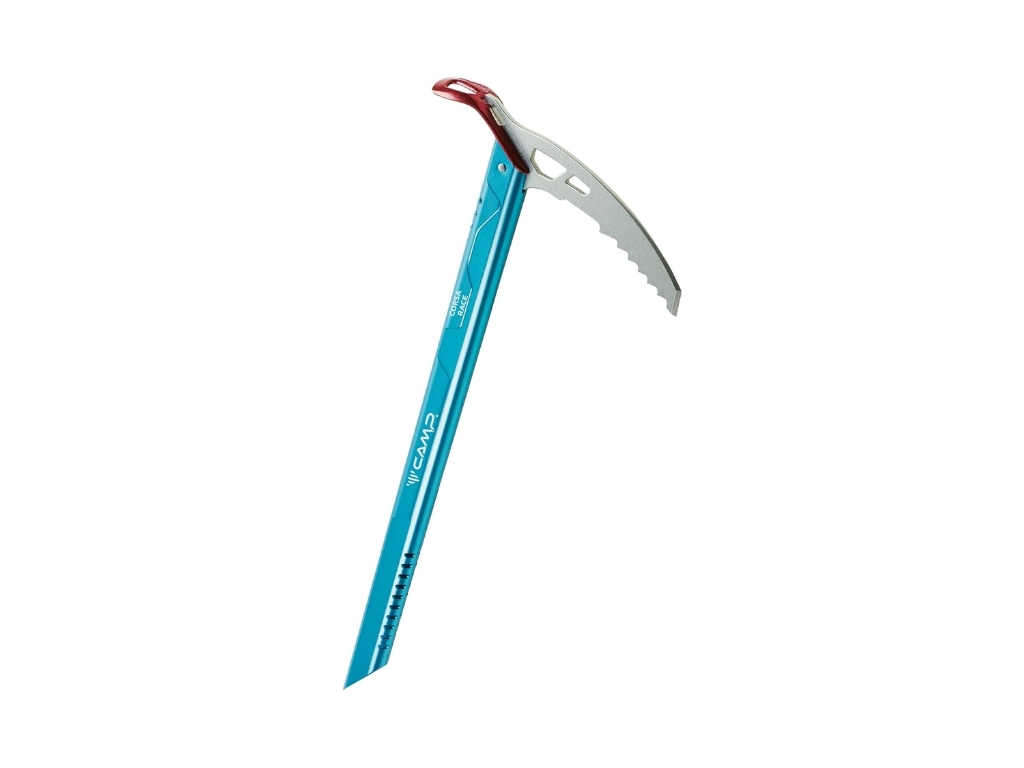
Weight: 185g (50cm) | 173g (45cm)
Price Range: See New Price
Shaft Material: Aluminum
Head Type: Aluminum with steel pick
The CAMP Corsa Race is the undisputed lightweight champion of ice axes. At just 185 grams for the standard 50cm length, it’s engineered for speed athletes and ski mountaineers who demand absolute minimum weight. The aluminum construction throughout keeps the axe lighter than competitor models while maintaining adequate durability for moderate terrain.
Pros:
- Absolute lightest on the market
- Excellent value for weight
- Proven design used in international competitions
- Short and compact for ski pack integration
Cons:
- Limited ice pick penetration on very hard ice
- Aluminum head may dent with heavy use
- Not ideal for sustained steep climbing
2. Blue Ice Hummingbird: The Titanium Alternative

Weight: 212g (45cm) | 230g (50cm)
Price Range: See New Price
Shaft Material: Aluminum
Head Type: Titanium with steel pick
The Blue Ice Hummingbird represents an innovative approach to lightweight axe design. By using a titanium head instead of aluminum, it achieves the ideal balance between weight and strength. Titanium offers superior durability compared to aluminum while weighing nearly the same, making this an excellent choice for mountaineers who want confidence in varied terrain.
Pros:
- Titanium head is stronger and more durable than aluminum
- Excellent all-around performance
- Still incredibly light at under 230g
- Better adze penetration for step cutting
Cons:
- Slightly heavier than CAMP Corsa Race
- Premium pricing reflects titanium construction
- May be overkill for simple ski mountaineering
3. Petzl Ride: Best Value Lightweight Axe
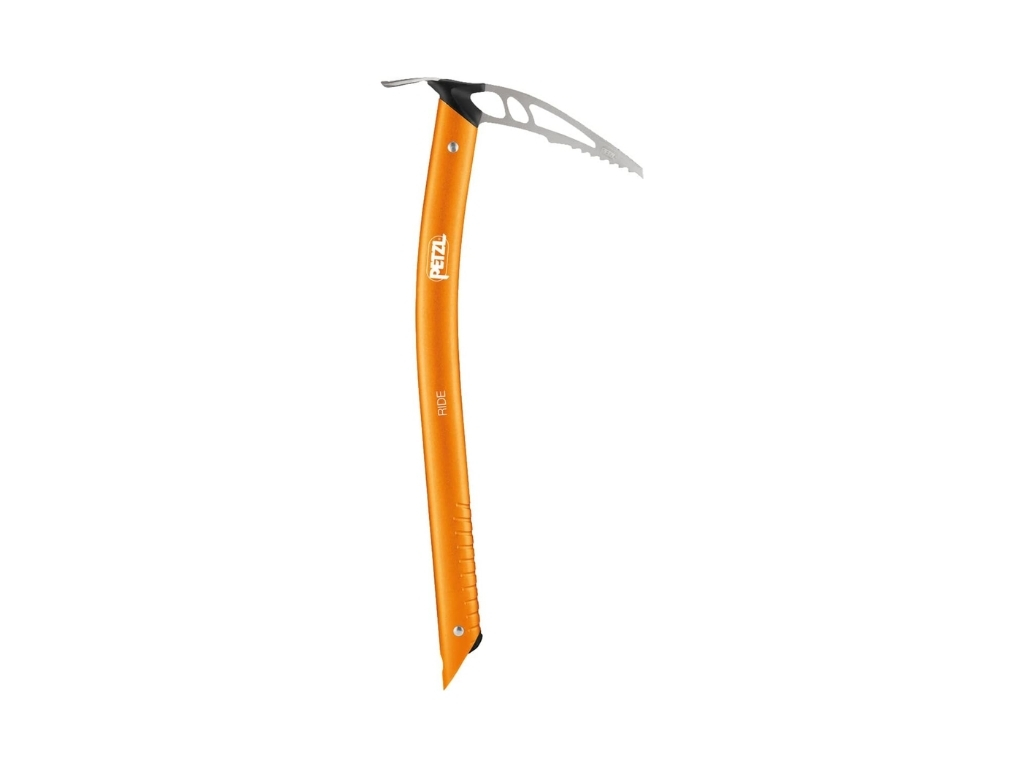
Weight: 238g (45cm) | 255g (50cm)
Price Range: See New Price
Shaft Material: Aluminum
Head Type: Steel with curved pick and adze
The Petzl Ride offers the best entry point for ski mountaineers seeking lightweight performance without extreme costs. At 238 grams for the 45cm version, it’s genuinely ultralight while featuring a full steel head that provides excellent ice penetration and durability. This is the optimal choice if you’re climbing on variable terrain and want versatility.
Pros:
- Exceptional value for price
- Steel head provides superior performance on firm ice
- Proven Petzl reliability
- Available in multiple lengths
Cons:
- Slightly heavier than premium ultralight models
- Still a significant investment for occasional use
4. CAMP Corsa Nanotech: Proven Classic

Weight: 200–246g (depending on shaft length)
Price Range: See New Price
Shaft Material: Aluminum
Head Type: Aluminum with mixed metals
The CAMP Corsa Nanotech is the predecessor to the Corsa Race and remains a popular choice among ski mountaineers. While slightly heavier than the Race version, it offers proven reliability and excellent performance across diverse terrain. Many experienced mountaineers still prefer this model for its track record.
Pros:
- Lightweight and proven design
- Excellent value proposition
- Used successfully in mountains worldwide
Cons:
- Older design, superseded by newer models
- Limited availability in some markets
Comparison Table: Lightweight Ice Axes
| Model | Weight (45cm) | Head Material | Price Range | Best For |
|---|---|---|---|---|
| CAMP Corsa Race | 173g | Aluminum | Check Price | Ultralight racing |
| Blue Ice Hummingbird | 212g | Titanium | Check Price | Versatile all-terrain |
| Petzl Ride | 238g | Steel | Check Price | Value + performance |
| CAMP Corsa Nanotech | ~210g | Aluminum | Check Price | Proven reliability |
Weight vs. Performance: Understanding the Trade-offs
Choosing the lightest ice axe isn’t always the best decision. There’s an important trade-off between weight and performance that every ski mountaineer must understand. Ultralight aluminum axes excel on soft snow and moderate slopes but struggle on firm ice where penetration becomes critical.
When to Choose Ultralight (Aluminum) Axes
Aluminum-headed axes are ideal if your ski mountaineering is primarily on soft snow conditions, gentle-to-moderate slopes, and well-known routes where you won’t encounter unexpectedly firm ice. They’re perfect for:
- Ski tours on established routes with moderate terrain
- Spring skiing when conditions are generally soft
- High-volume touring where weight savings matter most
- Athletes competing in ski mountaineering races
When to Choose Stronger Heads (Steel or Titanium)
Steel or titanium-headed axes provide superior ice penetration and are essential if your mountaineering involves:
- Sustained steep sections requiring aggressive placement
- Hard blue ice conditions
- Technical terrain where axe reliability is critical
- Winter ascents when firm ice is guaranteed
- Exploratory routes where conditions are uncertain
⚠️ Important: Don’t sacrifice performance for weight on serious mountains. A 50-gram weight difference is meaningless if your axe fails when you need it most. Choose based on the terrain and conditions you’ll encounter, not just the scale reading.
Ski Mountaineering Ice Axe Buying Guide
Step 1: Choose Your Shaft Length
Ski mountaineering typically uses shorter axes (45–50cm) compared to traditional ice climbing (50–70cm). Shorter axes pack better and are less cumbersome while skiing. The trade-off is slightly reduced reach for self-arrest, but this is acceptable for the terrain and slopes you’ll encounter in ski mountaineering.
Step 2: Assess Your Terrain
Think honestly about where you ski. Will you encounter sustained firm ice? Are you climbing easy glacier approaches or technical mixed terrain? Your answer determines whether you need ultralight aluminum or the durability of steel/titanium.
Step 3: Consider Your Budget
Lightweight ice axes range from $120 (Petzl Ride) to $220 (Blue Ice Hummingbird). The most expensive option isn’t always best, the Petzl Ride offers excellent performance at the lowest price. The CAMP Corsa Race is the lightest but requires proper terrain assessment. The Blue Ice Hummingbird offers the best all-around balance.
Step 4: Test Before You Commit
If possible, try borrowing or renting a lightweight axe on a moderate tour before buying. The difference between ultralight and conventional axes becomes apparent after carrying one uphill for 2,000 vertical feet.
Ready to Upgrade Your Gear?
Browse MaxMountaineer’s selection of lightweight ice axes and find the perfect match for your ski mountaineering adventures.
Frequently Asked Questions
For most ski mountaineers, a 185g axe isn’t necessary, the Petzl Ride at 238g offers excellent value and performance. However, if you’re doing 50+ ski tours per season, the weight savings accumulate. For competitive ski mountaineers, every gram matters.
Technically yes, but it’s suboptimal. Standard climbing axes (400–500g) are substantially heavier and longer, making them cumbersome in a ski pack. They’re also overkill for the terrain most ski mountaineers encounter. Dedicated ski mountaineering axes are better choices.
Aluminum heads are lighter but more prone to denting and dulling. Titanium heads are stronger and maintain sharpness longer, making them worth the extra cost if you expect to use your axe regularly in variable conditions.
For ski mountaineering, 45cm is becoming more popular because it packs better and weighs less. However, 50cm offers slightly better self-arrest capability. Choose based on your pack size and the types of slopes you’ll encounter. Most manufacturers offer both lengths.
It depends on the terrain. For gentle glacier approaches and low-angle terrain, an ice axe is optional. For peaks with steep sections or firm conditions, it’s essential safety equipment. Check guidebooks and recent trip reports for the specific peaks you plan to climb.