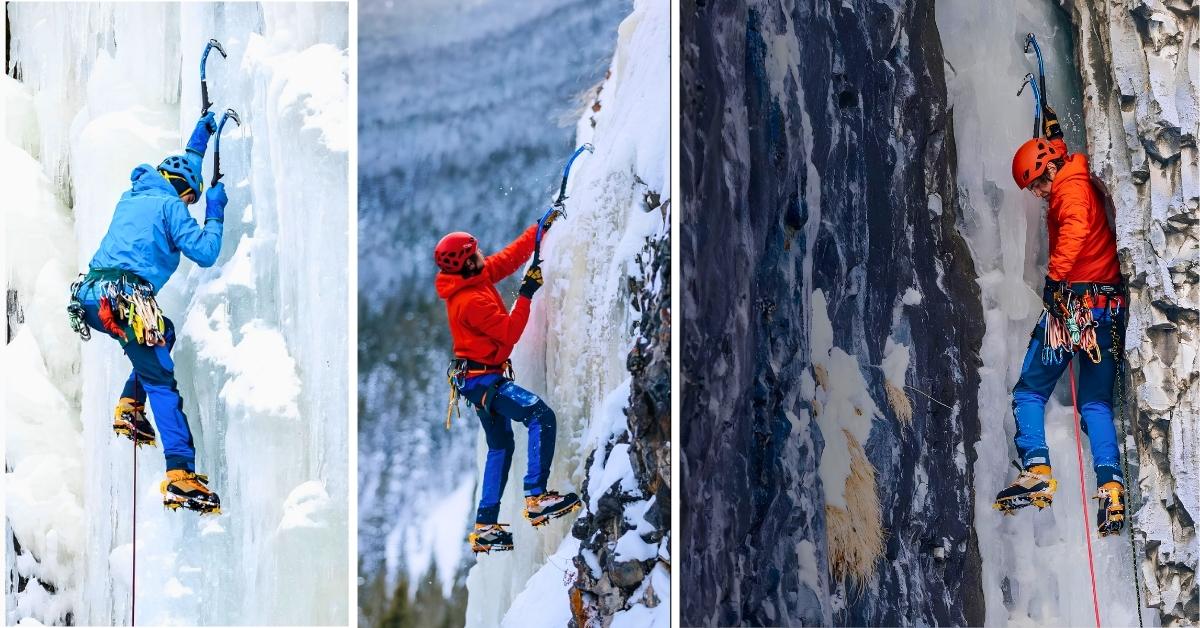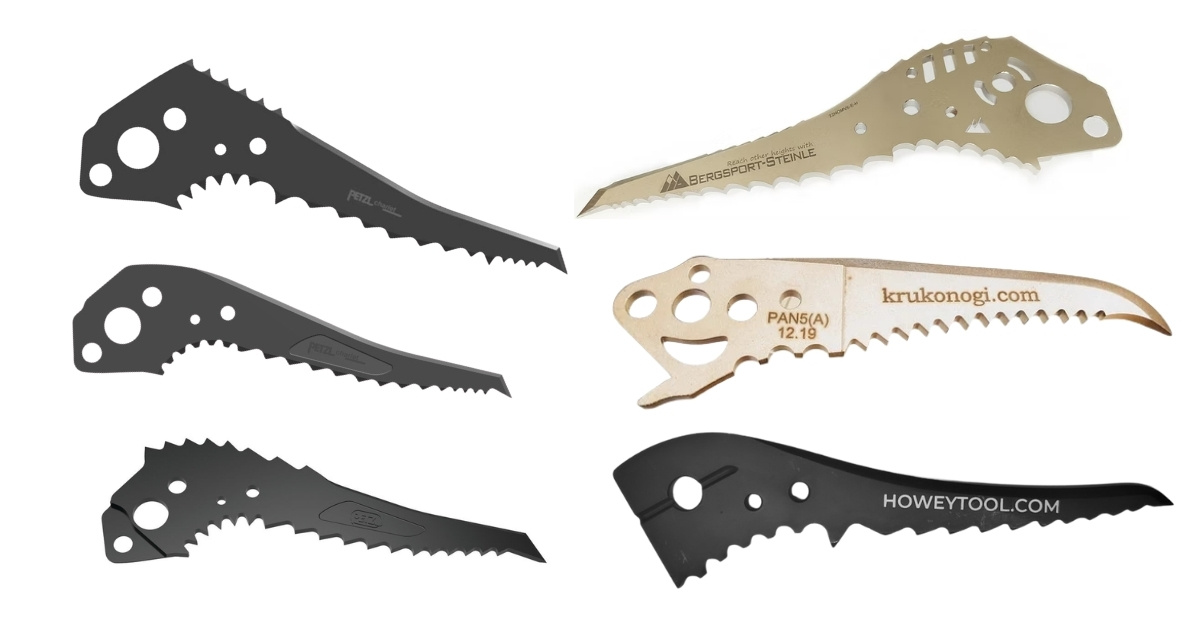
Among all your gear, ice tool picks are arguably the most critical component, they’re your direct connection to the ice, bearing the full weight of every swing, placement, and removal. If you’re tackling brittle water ice in the Canadian Rockies, mixed climbing on Scottish winter routes, or drytooling at your local crag, deep understanding replacement picks is essential for maintaining peak performance and safety.
You can explore everything about Petzl replacement picks, from different types and when to replace them, to exploring third-party alternatives and making informed purchasing decisions.
Understanding Petzl Replacement Picks
Petzl’s modular ice tool system revolutionized the ice climbing world by allowing climbers to swap picks based on terrain and conditions. The company offers several replacement pick options, each engineered for specific climbing scenarios. Let’s break down what makes each pick unique and which situations they excel in.
ICE Pick: The Versatile All-Rounder
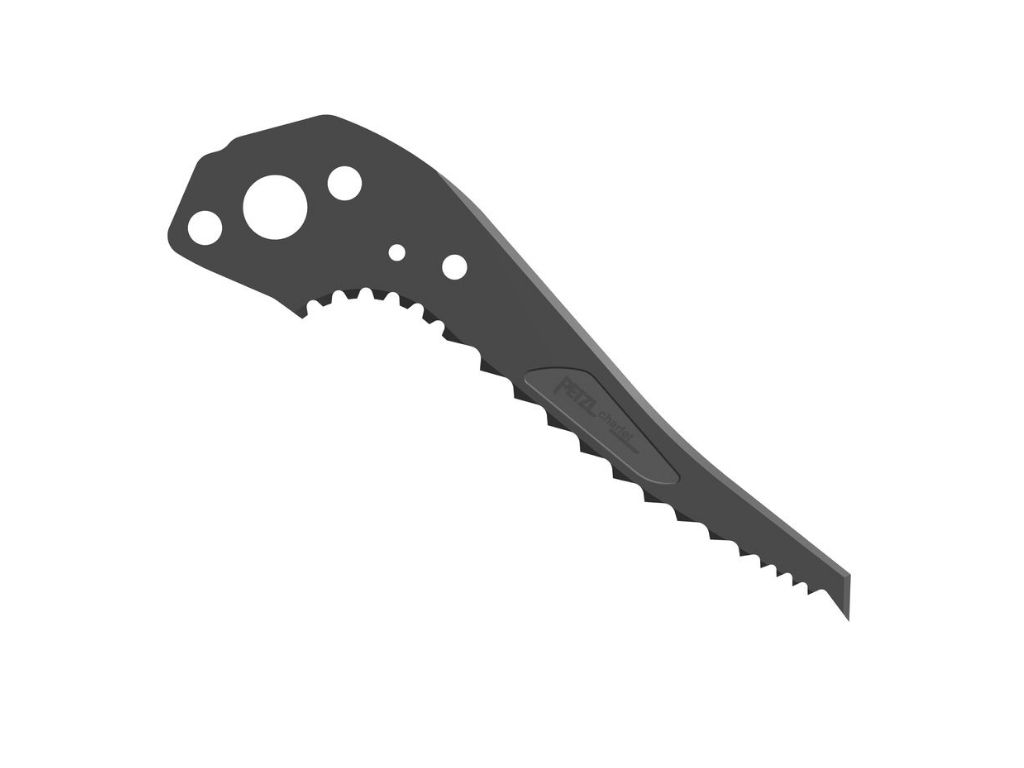
The ICE pick comes standard on the Petzl Quark and Sum’Tec tools, and it’s designed as the ultimate versatile option for ice and mixed climbing. With a 4mm shaft that tapers to 3.3mm at the tip, it strikes an ideal balance between strength and penetration capability.
- Thickness: 4mm tapering to 3.3mm at tip
- Best for: General ice climbing, mixed routes, alpine mountaineering
- Rating: Type 2 (T-rated) for technical terrain
- Weight: Approximately 129g
- Compatibility: Sum’Tec, Quark, Nomic, Ergonomic
The ICE pick features a smooth upper edge without aggressive teeth, making it comfortable for walking and general mountaineering when tools are shouldered. Its geometry ensures stable placements while allowing easy removal from ice, critical when you’re racing against fatigue on multipitch routes.
PUR’ICE Pick: Precision for Hard Ice
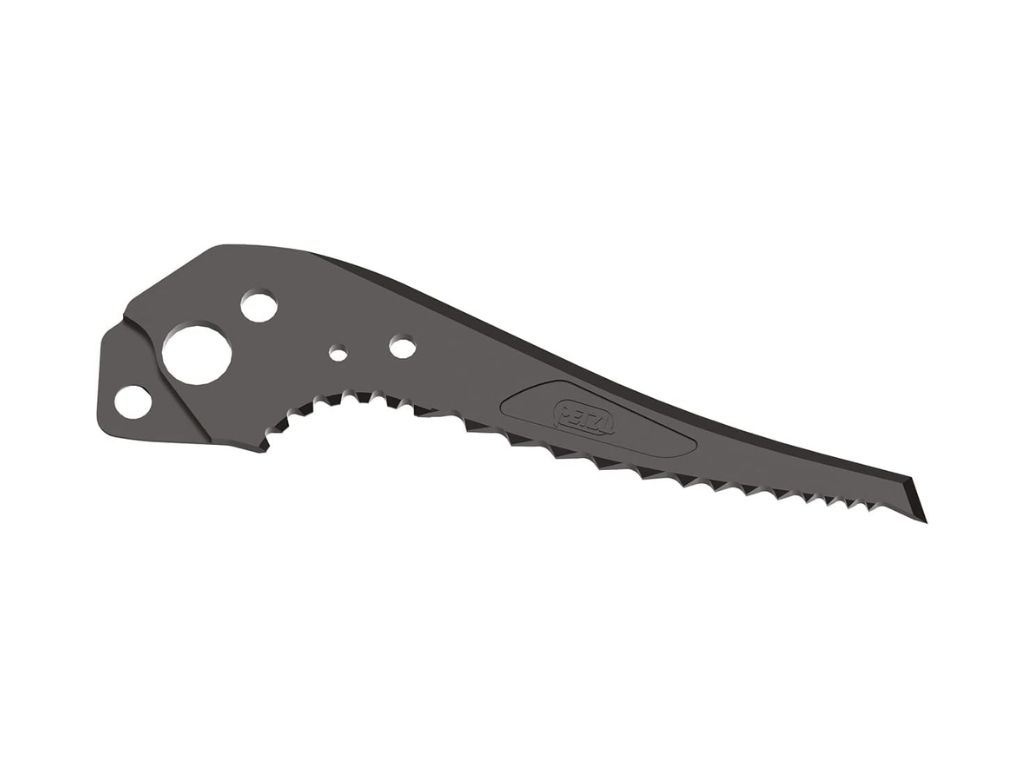
The PUR’ICE pick comes standard on the Petzl Nomic and represents the company’s pure ice climbing solution. With its 3mm tip, the thinnest in Petzl’s lineup, this pick excels on harder, colder ice where maximum penetration pressure is essential.
- Thickness: 4mm tapering to 3mm at tip
- Best for: Pure ice climbing, hard water ice, steep ice routes
- Rating: Type 1 (B-rated) for ice-specific applications
- Special feature: Serrated upper edge for inverted tool stability in stein-pulls
The serrated upper teeth provide additional security when the tool is inverted for stein-pulling techniques on steep terrain, while the tapered upper edge aids in ice cutting and easier pick removal. Many professional ice climbers report that switching from the standard ICE pick to the PUR’ICE transforms their tool’s performance on hard water ice.
DRY Pick: Mixed Climbing Specialist
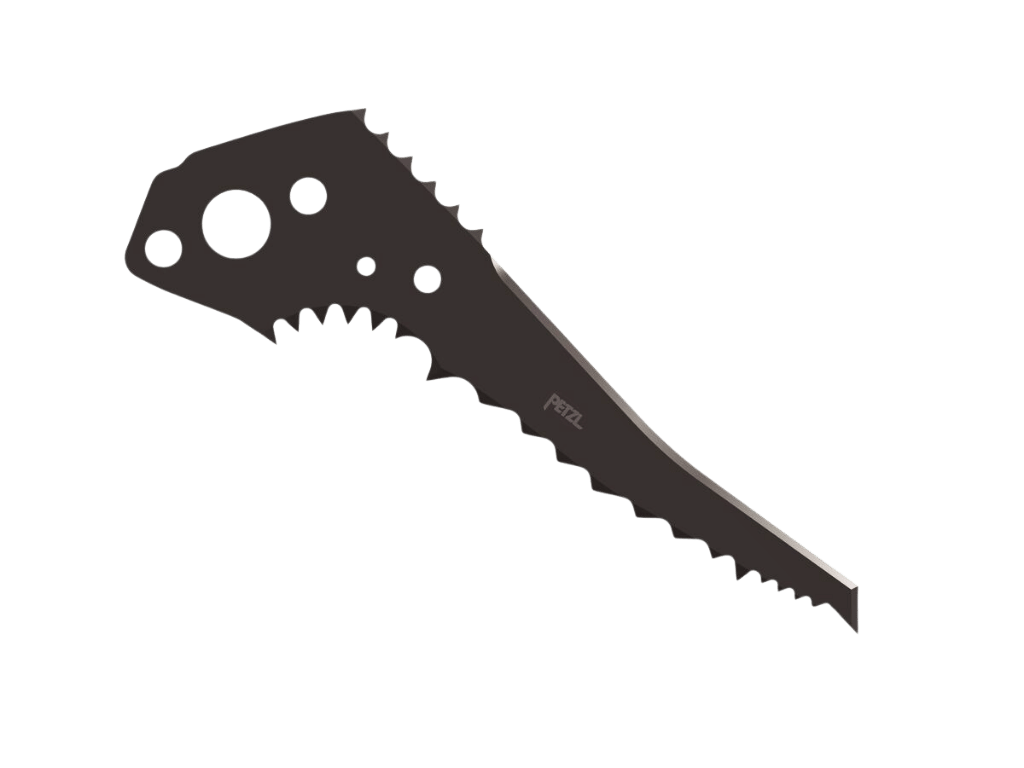
Coming standard on the Petzl Ergonomic, the DRY pick is specifically engineered for mixed climbing and dry tooling. It balances ice penetration with rock hooking capability, making it the go-to choice for Scottish mixed routes, alpine rock-ice combinations, and drytooling practice.
- Thickness: 4mm tapering to 3.3mm
- Best for: Mixed climbing, dry tooling, variable terrain
- Rating: Type 2 (T-rated)
- Special feature: Teeth on upper and lower edges for hooking and stein-pulling
The teeth along the lower edge near the shaft excel at hooking on rock features or over ice bulges, while the upper teeth provide stability in inverted positions. The 3.3mm taper still penetrates cold ice effectively while maintaining the strength needed for aggressive torquing in cracks and on edges.
PUR’DRY Pick: Competition-Grade Drytooling

The PUR’DRY represents Petzl’s most specialized pick, designed exclusively for drytooling and competition climbing. This pick is only recommended for the Nomic and Ergonomic tools due to its aggressive geometry and intended use.
- Thickness: 4mm along entire length
- Best for: Drytooling, competition climbing, gymnastic mixed routes
- Rating: Type 2 (T-rated)
- Compatibility: Nomic and Ergonomic only
The uniform 4mm thickness provides maximum rigidity and strength when heavily torqued in cracks, essential for modern drytooling where tools are often placed in marginal rock features and levered aggressively. The highly aggressive tooth pattern on both edges optimizes hooking efficiency. Note that this pick performs poorly on actual ice due to its thickness and is truly purpose-built for rock.
When to Replace Your Ice Tool Picks
Unlike many climbing equipment decisions that involve subjective preferences, pick replacement involves objective safety concerns. Ice tool picks don’t fail catastrophically like a cam might, instead, they gradually degrade, reducing your security with each swing until you’re expending excessive energy for marginal placements.
Wear Indicators and Replacement Guidelines
According to Black Diamond’s Quality Control Lab research on ice pick fatigue, picks weaken primarily from the repeated levering motion of removal rather than from being driven into ice. This three-point bend loading, with ice acting as the fulcrum, gradually fatigues the metal over hundreds or thousands of cycles.
Visual inspection criteria:
- Teeth filed off: Once you’ve filed off 3 teeth to maintain tip sharpness, replacement is recommended
- Significant shortening: Picks worn 2cm or more shorter than new affect swing weight and placement angle
- Visible damage: Any cracks, chips, or deformation warrant immediate replacement
- Performance degradation: Difficulty achieving solid placements or excessive bouncing on ice
- Age: Even with minimal use, metal fatigue suggests replacement every 3-5 years with regular use
Usage-Based Replacement Schedule
Climbers who focus on pure ice can often extend pick life compared to mixed climbers. Hitting rock, even accidentally, causes chips and accelerates tooth wear dramatically. Some experienced climbers maintain separate picks: newer, sharper picks for pure ice objectives and older, more worn picks reserved for mixed routes where rock contact is inevitable.
- Frequent ice climbers (30+ days/season): Annual replacement or bi-annual inspection
- Occasional climbers (10-20 days/season): Replace every 2-3 years
- Mixed/drytooling focus: More frequent replacement due to rock impact damage
Third-Party Replacement Pick Options
While Petzl manufactures excellent picks, several third-party manufacturers have carved out reputations for producing picks that equal or exceed OEM performance in specific applications. These alternatives often come at competitive prices and may offer specialized features unavailable in Petzl’s lineup.
Krukonogi: Competition-Grade Performance
Made in St. Petersburg, Russia, Krukonogi picks are renowned in the ice climbing competition circuit and sponsored by numerous World Cup athletes. The brand’s picks, particularly their armor steel models, are celebrated for exceptional durability and performance, despite premium pricing.
Krukonogi PN00(A) – Ultra-Thin Ice Pick:
- Tip thickness: 3.1mm (thinnest on market)
- Profile: 6.2mm top-to-bottom at first tooth (vs 7.5-9mm competitors)
- Best for: Hard, cold ice; serious water ice objectives
- Material: Armor steel for exceptional strength-to-thickness ratio
- Compatibility: Petzl Nomic, Quark 2, Ergo
- Approximate price: $80-$100 per pick
Climbers consistently report that the Krukonogi 00 picks make ice climbing feel “effortless” on hard ice, often sticking with minimal swing effort. The ultra-thin profile displaces less ice, conserving energy on steep routes. However, the delicate tip can chip if you strike rock, making these best suited for pure ice objectives rather than mixed terrain.
Krukonogi PND3(A) – Drytooling Specialist:
- Tip thickness: 4.4mm
- Design: Optimized for drytooling and competition
- Compatibility: Petzl Nomic, Ergo, Quark 2
- Note: Not compatible with Petzl hammer or adze attachments
Understanding Krukonogi’s naming system: The first letters indicate tool compatibility (PN = Petzl Nomic/Quark/Ergo), numbers indicate pick type (0 = ice, 5-7 = drytooling), and suffix letters denote features (A = aggressive angle, TC = titanium cheeks, G = groove for Petzl accessories).
Howey Tool: American-Made Performance
Howey Tool manufactures picks from 300M alloy steel (4340M), a vacuum-melted steel offering exceptional strength and toughness. Updated in 2021, their picks incorporate design refinements based on years of field testing.
Howey Pure Ice Pick:
- Material: 300M alloy steel, heat-treated to 1600°F
- Tip thickness: 2.9mm (ultra-low displacement)
- Weight: 102g per pick
- Precision: Waterjet cut
- Compatibility: Petzl Ergo, Nomic, Quark, Sum’Tec
- Accessories: Compatible with Petzl hammer, adze, and Masselottes
- Price: Sold in pairs, approximately $140-$160/pair
The 2021 update reduced hook on the front tooth for improved longevity when resharpening and easier cleaning from placements. The low-volume profile makes these ideal for finesse climbers focused on pure ice objectives.
Howey Mixed Pick:
- Tip thickness: 2.9mm
- Weight: 117g per pick
- Design: All-around pick for ice, mixed, and drytooling
- 2021 update: Added stein-pull tooth at back heel for low-angle ice
Kuznia Szpeju: Polish Value and Quality
Poland’s Kuznia Szpeju offers replacement picks at more accessible price points while maintaining solid performance. Their straightforward product naming makes selection easier compared to competitors.
- Pure Ice Pick: 4mm tapering to 3mm, smooth blade, optimized for ice penetration
- Mixed Pick: 4mm tapering to 3.2mm, aggressive teeth, all-around performance
- Compatibility: Petzl Nomic, Quark, Ergo tools
- Note: Does NOT accept Petzl hammer attachment
- Price: $55-$65 per pick
Climbers report good durability, though not quite matching Krukonogi’s longevity. The value proposition is compelling for climbers who cycle through picks regularly or are building a quiver for different conditions.
Bergsport-Steinle: German Engineering
Made in Germany, Bergsport-Steinle picks are highly regarded in the European climbing community for their precision manufacturing and durability. They offer both ice-optimized and mixed picks with optional hammer milling.
- Mixed Pick: 4mm thickness, asymmetric sharp teeth
- Durability: Advertised at under €30 per season (3 seasons at 30 days/year)
- Compatibility: Petzl Nomic, Quark, Ergonomic
- Special feature: Optional mounting holes for Petzl additional weights
- Price: Approximately €80-€90 per pick
Installation and Maintenance
Installing Replacement Picks
Petzl’s modular head design makes pick replacement straightforward. Most Petzl tools use a simple bolt-and-nut system secured with an Allen key. Replacement picks include the necessary hardware, but always verify you have the correct size Allen key (typically 4mm) before heading to the crag.
Installation steps:
- Remove the old pick by unscrewing the retention bolt
- Clean the head socket and inspect for damage or wear
- Position the new pick, ensuring proper alignment with the shaft
- Insert bolt with washer, threading through pick and head
- Tighten securely, picks should not move or rattle
- Check tightness before each climbing session
Note that some third-party picks may not accept Petzl’s hammer or adze accessories. Krukonogi offers “G” versions with grooves for these attachments, while standard models do not. Always verify compatibility before purchasing if you plan to use these accessories.
Sharpening and Care
Proper pick maintenance extends usable life and maintains performance. However, excessive sharpening can reduce pick lifespan more than actual climbing use.
- File angle: Maintain the original tooth profile and pick angle
- Tool: Use a mill bastard file or diamond file
- Technique: File in one direction, following the tooth’s natural angle
- Frequency: Only sharpen when performance noticeably degrades
- Storage: Clean and dry picks thoroughly; store in a dry environment
In Scotland and other areas where ice quickly dulls picks, some experienced climbers don’t sharpen at all—they simply replace picks more frequently. This approach can actually be more cost-effective than over-sharpening, which removes significant metal and shortens pick life.
Making the Right Choice: OEM vs. Third-Party
Choosing between Petzl OEM picks and third-party alternatives involves balancing performance needs, budget constraints, climbing style, and personal preferences.
When to Choose Petzl OEM Picks
- You need hammer or adze compatibility
- You want guaranteed compatibility and warranty coverage
- Your climbing is varied (alpine, ice, moderate mixed)
- You prefer the proven reliability of the manufacturer’s design
- Price: Approximately $65 per pick (US market)
When to Choose Third-Party Picks
- You’re focused on specific disciplines (pure ice, competition drytooling)
- You want the thinnest possible pick for hard ice (Krukonogi, Howey)
- Budget is a primary concern (Kuznia Szpeju)
- You’re building a specialized quiver for different conditions
- You don’t use hammer/adze accessories
Cost Analysis and Value Proposition
While third-party picks often cost more upfront, their durability can make them more economical over time. Here’s a realistic breakdown:
| Pick Brand | Price | Est. Lifespan | Best For |
| Petzl ICE/DRY | See now | 2-3 seasons | All-around |
| Krukonogi 00 | See now | 3-4 seasons | Hard ice |
| Howey Ice | See now | 3 seasons | Pure ice |
| Bergsport-Steinle | See now | 3 seasons | Mixed |
Based on 30 climbing days per season; actual lifespan varies with climbing style and terrain
Final Recommendations
The replacement pick market offers something for every climber, from budget-conscious beginners to sponsored competition athletes. Your optimal choice depends on your specific climbing focus, frequency, and budget.
For beginner to intermediate ice climbers:
Stick with Petzl ICE or DRY picks. They offer proven performance, guaranteed compatibility, and work well across varied terrain. Build experience before investing in specialized options.
For dedicated water ice climbers:
Consider Krukonogi 00 or Howey pure ice picks. The performance gains on hard ice justify the higher cost, and superior durability often makes them cheaper per season than OEM picks.
For mixed climbers and drytoolers:
Petzl DRY Pick or Bergsport-Steinle mixed picks provide the best balance. For competition-level drytooling, Krukonogi PND3(A) picks are purpose-built for the discipline.
For budget-conscious climbers:
Kuznia Szpeju picks deliver solid performance at the lowest price point. While they may not match premium picks’ longevity, they’re perfect for building a quiver or for climbers who replace picks frequently.
The most important factor: Replace picks before they compromise your safety or enjoyment. Struggling with worn picks on a hard route is frustrating at best and dangerous at worst. Fresh picks transform challenging ice into manageable terrain, making them one of the best performance upgrades available for the cost.
Where to Purchase
Petzl OEM picks are widely available through major outdoor retailers, both online and in-store. Third-party picks require more specialized sourcing:
- Krukonogi: Available through Verti Call Store (North America) and Nord Ice Gear (Europe)
- Howey Tool: Direct from manufacturer or select specialty retailers
- Kuznia Szpeju: Available through Furnace Industries
- Bergsport-Steinle: Direct from Sport-Steinle.com (ships from Germany)
Always verify compatibility with your specific tool model before ordering. While most Petzl modular tools share pick compatibility, variations exist, particularly with older models or specialized tools like the Sum’Tec.
Stay safe, climb hard, and remember: sharp picks are happy picks!
Frequently Asked Questions
Yes! One of the best features of Petzl’s modular system is cross-compatibility. The standard ICE and DRY picks fit the Quark, Nomic, Sum’Tec, and Ergonomic. However, specialized picks like the PUR’DRY are optimized specifically for the geometry of the Nomic and Ergonomic.
A good rule of thumb is the “3-tooth rule.” Once you have filed away enough metal that three of the original teeth are gone to maintain the tip’s shape, it’s time for a replacement. Shorter picks change the swing angle and make placements feel “vague” or insecure.
For most climbers, Petzl OEM picks are excellent. However, if you frequently climb brittle, “dinner-plating” ice, the ultra-thin profile of brands like Krukonogi or Howey (2.9mm–3.1mm) displaces significantly less ice, saving you energy and increasing safety on delicate leads.
Petzl offers both T-rated (Technical) and B-rated (Basic) picks to balance the competing demands of strength, durability, and ice penetration across different alpine climbing discipline.
Petzl doesn’t explicitly require it, but many climbers use a tiny drop of “Blue” (removable) Loctite for extra peace of mind. The most important thing is to check your bolts for tightness before every single climbing session, as vibration can loosen them over time.